


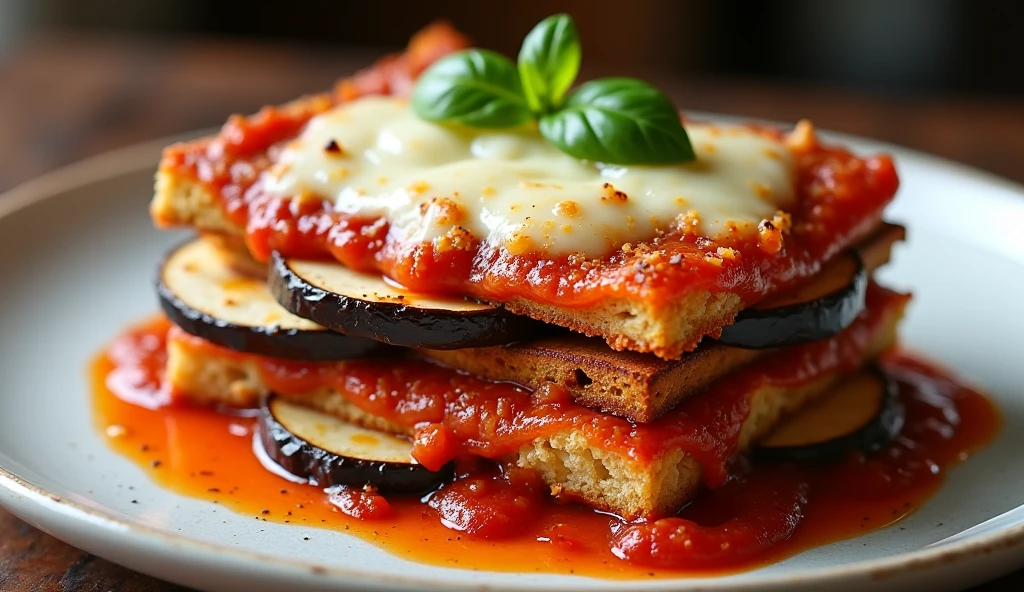
Picture this: you’ve spent over an hour carefully preparing eggplant parmesan, layering breaded slices with marinara sauce and melted cheese, only to pull a soggy, oily mess from the oven. Or perhaps your eggplant tastes bitter, the cheese won’t melt properly, or the entire dish lacks that authentic Italian flavor you were craving.
Don’t worry—even experienced home cooks encounter these challenges. The good news? Nearly every eggplant parmesan mistake can be fixed, whether you’re mid-preparation or trying to salvage a dish that’s already cooked. This comprehensive guide will walk you through the most common problems with eggplant parmigiana and provide practical, tested solutions that actually work.
Whether you’re dealing with watery eggplant, excessive grease, or flavor issues, you’ll discover exactly how to rescue your dish and prevent these problems in future cooking sessions.
Understanding Why Eggplant Parmesan Fails
Before diving into fixes, it’s essential to understand what causes eggplant parmesan to go wrong. Eggplants contain approximately 92% water, making them naturally prone to releasing moisture during cooking. This high water content is the primary culprit behind soggy, watery dishes.
Additionally, eggplant’s sponge-like texture absorbs oil rapidly during frying. A single eggplant slice can absorb several tablespoons of oil if not prepared correctly, resulting in a greasy, heavy meal that lacks the light, satisfying texture of authentic Italian eggplant parmesan.
The vegetable also contains compounds called polyphenols, which oxidize when exposed to air, causing that unpleasant bitter taste many people associate with poorly prepared eggplant dishes.
How to Fix Soggy Eggplant Parmesan
The Salt Drawing Method
If your eggplant parmesan turned out soggy, the issue likely started before cooking. The most effective prevention technique involves salting your eggplant slices generously on both sides and letting them rest for 30-45 minutes. This process, called purging or degorging, draws out excess moisture through osmosis.
After salting, you’ll notice beads of moisture forming on the surface. Pat the slices thoroughly dry with paper towels before breading or cooking. This simple step removes up to 40% of the eggplant’s water content, dramatically reducing sogginess in your final dish.
Fixing an Already-Soggy Dish
If your eggplant parmesan is already assembled and soggy, try this rescue method: remove the dish from its baking vessel and drain any accumulated liquid. Transfer the layers to a wire rack set over a baking sheet, then place it back in a 375°F oven for 15-20 minutes. The elevated position allows air circulation underneath, helping evaporate excess moisture while crisping the bottom.
For severely soggy cases, carefully separate the layers, pat them dry with paper towels, and reassemble with fresh marinara sauce (not the watery sauce from the original dish). This requires extra effort but salvages what would otherwise be an inedible meal.
Solving the Greasy Eggplant Problem
Pre-Cooking Techniques That Reduce Oil Absorption
Excessively oily eggplant parmesan happens when slices absorb too much fat during the frying process. To fix this issue moving forward, consider these alternatives:
Baking instead of frying reduces oil absorption by 70-80%. Brush eggplant slices lightly with olive oil (about 1 teaspoon per slice), coat them with breadcrumbs, and bake at 400°F for 20-25 minutes, flipping halfway through. You’ll achieve a golden, crispy exterior without the grease.
Another excellent technique involves air frying. Modern air fryers circulate hot air at high speeds, creating a fried texture using only a fraction of the oil. Spray breaded eggplant slices lightly with cooking spray and air fry at 380°F for 12-15 minutes.
Removing Excess Grease from Cooked Eggplant
If your eggplant parmesan is already too oily, place paper towels directly on the surface of the dish and gently press down. The absorbent paper will soak up pooled oil from the top layer. Replace the paper towels several times until no more oil transfers.
👉 For oil that has seeped into lower layers, use a turkey baster or spoon to carefully remove visible oil pockets between the eggplant and cheese layers.
Fixing Bitter or Bland Eggplant Parmesan
Addressing Bitterness
Bitter eggplant ruins the entire dish. This problem stems from either using overripe eggplants or failing to remove the solanine compounds naturally present in the vegetable. Beyond salting (which helps reduce bitterness), peeling the eggplant removes a significant source of bitter compounds concentrated in the skin.
If you’ve already cooked bitter eggplant parmesan, adding a pinch of sugar to your tomato sauce can balance the harsh flavors. Sugar counteracts bitterness on a molecular level without making the dish taste sweet. Start with 1/2 teaspoon per cup of sauce and adjust to taste.
Enhancing Bland Flavors
Flavorless eggplant parmesan typically results from underseasoned components. Remember that each element—the breaded eggplant, sauce, and cheese layers—needs proper seasoning.
Season your breadcrumb mixture with salt, black pepper, garlic powder, dried oregano, and grated Parmesan cheese. This ensures the eggplant itself carries flavor, not just the sauce. For the tomato sauce, fresh basil, minced garlic, and a splash of red wine create depth and complexity.
If your assembled dish tastes bland, make a quick garlic butter: melt 2 tablespoons butter with 3 minced garlic cloves and brush this over the top before the final baking. The aromatic compounds infuse throughout the dish as it heats.
Resolving Cheese Problems in Eggplant Parmesan
When Cheese Won’t Melt Properly
Cheese that remains rubbery or refuses to melt indicates either incorrect cheese selection or improper baking temperature. Mozzarella cheese should be your primary melting cheese—specifically, low-moisture mozzarella, which melts beautifully without releasing excessive water.
Pre-shredded cheese often contains anti-caking agents (like cellulose) that interfere with melting. Always shred mozzarella from a block for optimal melting properties.
If you’re mid-bake and the cheese isn’t melting, increase your oven temperature to 425°F and move the dish to the upper rack, closer to the heating element. Within 10-15 minutes, you should see proper melting and browning.
Fixing Separated or Oily Cheese
Sometimes cheese separates during baking, creating an oily slick on top. This happens when mozzarella is heated too high or too long, causing fat and protein molecules to separate. The fix involves reducing your baking temperature and covering the dish with aluminum foil for most of the cooking time, removing it only for the final 10 minutes to achieve browning.
Correcting Texture Issues: Too Thick, Too Thin, or Falling Apart
Achieving the Perfect Consistency
Proper eggplant parmesan structure requires balance. Slices should be approximately 1/4 to 1/3 inch thick—thin enough to cook through but thick enough to maintain integrity. If you’ve cut them too thin and they’re falling apart, create a casserole-style dish instead. Break up the pieces, layer them with sauce and cheese, and bake. While not traditional presentation, it tastes equally delicious.
For overly thick slices that remain undercooked in the center, remove them from your assembled dish, slice them in half horizontally, and reassemble. Yes, this is labor-intensive, but it’s the only way to ensure properly cooked eggplant throughout.
Preventing Layers from Sliding Apart
When serving, does your eggplant parmesan slide apart like a failed layer cake? This indicates insufficient “glue” between layers. Tomato sauce acts as both flavor and adhesive. Ensure you’re using enough sauce between each layer, and allow the finished dish to rest for 10-15 minutes after baking. During this resting period, the sauce thickens slightly, helping layers adhere together.
👉 Adding a light sprinkle of grated Parmesan between layers also creates extra adhesion while boosting flavor.
Fixing Burnt or Undercooked Eggplant Parmesan
Rescuing a Burnt Top
If your eggplant parmesan’s top is burnt but the interior remains undercooked, carefully scrape off the burnt cheese layer with a spatula. Cover the dish tightly with aluminum foil to prevent further browning, reduce oven temperature to 325°F, and continue baking until the center reaches 165°F (check with a food thermometer).
The foil creates a barrier between direct heat and the dish’s surface, allowing the interior to cook through without additional burning. This method works surprisingly well and saves the entire dish from the trash.
Dealing with Raw Centers
Undercooked eggplant has an unpleasant, spongy texture and may even taste slightly bitter. If you’ve cut into your eggplant parmesan only to discover raw centers, return it to a 350°F oven covered with foil. The lower temperature and covering allow heat to penetrate thoroughly without overcooking outer layers. Plan for an additional 20-30 minutes of baking time.
Advanced Troubleshooting: Less Common Problems
Fixing Separation Between Layers
Sometimes the breading separates from the eggplant during cooking, creating a disappointing disconnect between components. This occurs when the breading coating isn’t properly adhered before cooking. For future preparations, use the standard breading procedure: dredge in flour, dip in beaten egg, then coat with breadcrumbs. Each layer helps the next one stick.
If this has already happened, remove the loose breading, make a fresh batch, and re-bread the exposed sections before reassembling and baking.
Addressing Watery Sauce Runoff
Excessive liquid pooling at the bottom of your baking dish indicates either watery tomato sauce or insufficient eggplant preparation. For immediate fixes, drain the excess liquid carefully, then thicken your remaining sauce. Mix 1 tablespoon cornstarch with 2 tablespoons cold water, stir it into the sauce, and return the dish to the oven for 10 minutes. The cornstarch will thicken the sauce and bind excess moisture.
Better yet, use tomato paste-based sauces rather than thin marinara. These thicker sauces cling to eggplant better and resist becoming watery during baking.
Prevention Strategies for Perfect Eggplant Parmesan Every Time
While this guide focuses on fixes, preventing problems saves time and frustration. Here are essential prevention strategies:
Choose firm, heavy eggplants with smooth, shiny skin and green stems—indicators of freshness. Avoid eggplants with brown spots, wrinkled skin, or soft areas, as these are overripe and prone to bitterness.
Always salt and drain your eggplant slices for at least 30 minutes before cooking. This single step prevents the majority of common eggplant parmesan problems.
Use a three-station breading setup with proper technique. Keeping one hand for wet ingredients and one for dry prevents clumping and ensures even coating.
Bake at moderate temperatures (375-400°F) rather than high heat. This allows even cooking throughout without burning surfaces.
Let your finished eggplant parmigiana rest for 10-15 minutes before serving. This resting period allows flavors to meld and the dish to set properly, making it easier to serve attractive portions.
Frequently Asked Questions About Fixing Eggplant Parmesan
Why is my eggplant parmesan watery even after salting?
If salting didn’t prevent wateriness, you either didn’t salt long enough (30 minutes minimum is essential) or your tomato sauce was too thin. Additionally, ensure you’re thoroughly patting the salted eggplant dry before breading. Any residual surface moisture will steam during cooking, creating wateriness. For sauce issues, simmer your marinara uncovered for 15-20 minutes before assembling to reduce excess liquid.
Can I fix eggplant parmesan that’s already baked and sitting overnight?
Yes, but reheating requires careful technique. Remove the cold eggplant parmesan from the refrigerator 30 minutes before reheating to bring it closer to room temperature. Cover with foil and reheat at 350°F for 25-30 minutes, removing the foil for the final 5 minutes. This prevents drying out while ensuring the dish heats thoroughly. If it seems dry, add a few spoonfuls of fresh marinara sauce before reheating.
How do I prevent my eggplant from absorbing too much oil?
Beyond baking instead of frying, several techniques reduce oil absorption. First, salt and drain your eggplant to collapse its spongy structure, creating less space for oil absorption. Second, ensure your frying oil is at the correct temperature (350-375°F)—oil that’s too cool allows excessive absorption. Third, press breaded slices firmly to compact the coating, creating a barrier against oil penetration.
What’s the best cheese combination for eggplant parmesan?
Traditional eggplant parmesan uses a combination of mozzarella for melting and Parmesan for sharp, savory flavor. Use approximately 70% low-moisture mozzarella and 30% Parmesan for optimal results. Some cooks add a small amount of provolone for extra depth, but this is optional. Avoid pre-shredded cheeses when possible, as anti-caking additives interfere with melting properties.
Can I freeze eggplant parmesan, and how do I reheat it without ruining the texture?
Absolutely. Eggplant parmesan freezes exceptionally well, actually improving in flavor as components meld together. Freeze before the final baking stage for best results—assemble completely, wrap tightly in plastic wrap and aluminum foil, and freeze for up to 3 months. Bake directly from frozen at 350°F covered for 60 minutes, then uncovered for 15 minutes. This method produces better texture than freezing already-baked eggplant parmesan.
Conclusion: Mastering the Art of Eggplant Parmesan Recovery
Learning how to fix eggplant parmesan transforms cooking disasters into delicious victories. Whether you’re dealing with excess moisture, greasiness, flavor issues, or texture problems, virtually every mistake has a practical solution. The key lies in understanding why these issues occur and applying the appropriate remedy quickly.
Remember that even professional chefs encounter cooking challenges—the difference lies in knowing how to respond effectively. By mastering these troubleshooting techniques, you’ll not only rescue failed dishes but also develop the confidence to experiment with this classic Italian recipe.
The next time your eggplant parmesan doesn’t turn out as planned, don’t panic. Instead, refer back to this guide, identify your specific problem, and apply the appropriate fix. With practice, you’ll develop an intuitive understanding of how eggplant behaves during cooking, making adjustments almost automatically.
Most importantly, don’t let one unsuccessful attempt discourage you from trying again. Each cooking experience—successful or not—builds valuable knowledge that improves your skills. Soon, you’ll be creating restaurant-quality eggplant parmesan consistently, impressing family and friends with your Italian cooking expertise.
Now get back in the kitchen and show that eggplant who’s boss. Your perfectly layered, golden-brown, cheese-bubbling masterpiece awaits!
