


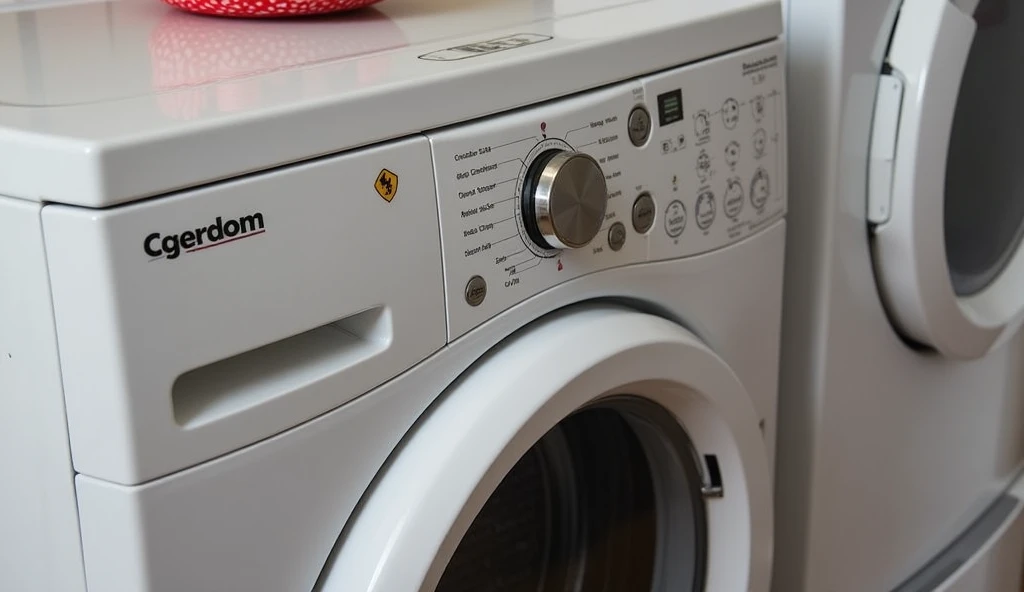
If you’ve encountered the F1 error code on your Whirlpool Duet dryer, you’re not alone. This frustrating issue can bring your laundry routine to a complete halt, leaving you with damp clothes and mounting concerns about costly repairs. The F1 error typically indicates a primary control board failure or a communication problem between the electronic control board and other components within your dryer system.
Understanding how to diagnose and fix Duet dryer F1 error can save you hundreds of dollars in professional repair costs. This comprehensive guide walks you through everything from identifying the root cause to implementing proven solutions that actually work. Whether you’re dealing with a faulty main control board, damaged wiring, or a simple sensor issue, we’ll help you troubleshoot the problem systematically and get your dryer back to optimal performance.
Understanding the Duet Dryer F1 Error Code
The F1 error code on your Whirlpool Duet dryer is essentially your appliance’s way of telling you something has gone wrong with its electronic brain. When this code flashes on your display panel, it means the main control board has detected an internal malfunction or is unable to communicate properly with other critical components.
This error code doesn’t point to a single issue but rather serves as an umbrella warning for several potential problems. The electronic control board acts as the command center for your entire dryer, managing everything from temperature settings to cycle timing. When it malfunctions, your dryer may refuse to start, stop mid-cycle, or display erratic behavior before finally showing the F1 code.
Modern Duet dryers rely heavily on sophisticated electronic systems, making them more energy-efficient and feature-rich than older models. However, this complexity also means that when something goes wrong, the troubleshooting process requires a more methodical approach. The F1 code specifically relates to EEPROM communication errors, which involve the memory chip that stores your dryer’s operational data and settings.
Common Causes Behind the F1 Error Code
Main Control Board Failure
The main control board represents the most common culprit behind F1 errors. This circuit board contains all the electronic components that regulate your dryer’s functions. Over time, power surges, electrical fluctuations, or simple wear and tear can damage the delicate circuits and microprocessors on this board.
When the control board begins to fail, you might notice intermittent issues before the F1 code appears permanently. Your dryer might work fine one day and refuse to cooperate the next. These symptoms indicate that certain components on the board are degrading but haven’t completely failed yet.
Wiring and Connection Issues
Loose, corroded, or damaged wiring can interrupt the communication between your dryer’s control board and other components. The wire harness connects various sensors, switches, and heating elements to the main board. Any break in these connections can trigger the F1 error code.
Vibration during normal operation can gradually loosen wire connectors over months or years of use. Additionally, rodents sometimes chew through wiring in garage or basement installations, creating short circuits or open connections that manifest as F1 errors.
Power Supply Problems
Inconsistent electrical supply to your dryer can confuse the control board and trigger false F1 errors. If your home experiences frequent power fluctuations, voltage drops, or if the dryer isn’t receiving proper 240-volt power (for electric models), the control board may misinterpret these conditions as internal failures.
Moisture and Environmental Factors
Excessive humidity or moisture infiltration can wreak havoc on electronic components. If your dryer is located in a particularly humid environment like a basement laundry room, condensation may accumulate inside the control panel housing, causing corrosion or short circuits on the control board.
Step-by-Step Troubleshooting Process
Initial Safety Precautions
Before attempting any repairs on your Duet dryer, your safety must come first. Unplug the dryer completely from the electrical outlet or flip the circuit breaker dedicated to the appliance. Electric dryers operate on 240-volt circuits, which can deliver a potentially fatal shock if proper precautions aren’t followed.
Allow the dryer to remain unpowered for at least five minutes. This waiting period ensures that any residual electrical charge stored in capacitors dissipates completely, making it safer to work on the appliance. Gather your tools before beginning: you’ll need a multimeter, screwdriver set, and possibly needle-nose pliers.
Resetting Your Duet Dryer
Sometimes the F1 error can be resolved through a simple power reset. This process clears the control board’s temporary memory and may resolve software glitches that trigger false error codes.
👉 Unplug the dryer from the wall outlet or turn off the dedicated circuit breaker
👉 Wait for a minimum of 5-10 minutes to allow complete power drain
Once the waiting period is complete, restore power to your dryer and attempt to run a test cycle. If the F1 error doesn’t reappear immediately, the issue may have been a temporary glitch. However, if the code returns, you’ll need to proceed with more thorough troubleshooting steps.
Inspecting the Control Board
To access the main control board, you’ll need to remove the dryer’s top panel or control panel assembly, depending on your specific Duet model. Consult your owner’s manual for model-specific disassembly instructions, as panel removal methods vary between different Duet series.
Once you’ve exposed the control board, examine it carefully for visible signs of damage. Look for burned components, which often appear as dark or blackened spots on the green circuit board. Check for bulging or leaking capacitors, as these cylindrical components can fail and cause board malfunctions.
Inspect all wire connectors attached to the control board. Gently wiggle each connector to ensure it’s seated firmly. Corrosion appears as a white, green, or brownish residue on metal contacts and indicates moisture exposure. If you find corroded connections, you may be able to clean them using electronic contact cleaner and a small brush.
Testing Electrical Connections
Using a multimeter set to the continuity or resistance setting, you can test the integrity of wiring between the control board and other components. This process requires some technical knowledge, but it’s manageable for DIY enthusiasts willing to learn.
Check the wire harness connections for continuity by touching the multimeter probes to corresponding wires at each end of a connection. A reading of infinite resistance or “OL” (open line) indicates a break in the wire, while a reading near zero ohms confirms good continuity.
Pay special attention to the thermal fuse and heating element connections, as these components communicate with the control board and can trigger error codes if their wiring is compromised.
Effective Solutions to Fix the F1 Error
Replacing the Main Control Board
If your troubleshooting has identified a failed control board as the culprit, replacement is usually the most reliable solution. Control boards for Duet dryers typically cost between $150 and $300, depending on your specific model. While this seems expensive, it’s considerably less than purchasing a new dryer.
Order a replacement board that matches your dryer’s exact model number. This information is located on a label inside the dryer door or on the back panel. Using the correct part number ensures compatibility and prevents further issues.
The replacement process involves disconnecting all wire harnesses from the old board, removing mounting screws, and installing the new board in reverse order. Take photos of wire connections before disconnecting them to ensure proper reassembly. Most homeowners with basic DIY skills can complete this repair in 30-45 minutes.
Repairing or Replacing Damaged Wiring
If you’ve discovered damaged wires or corroded connections during your inspection, these issues must be addressed before the F1 error will clear. For minor corrosion, electronic contact cleaner can restore conductivity to connector pins and terminals.
Severely damaged wires should be replaced entirely rather than spliced. Purchase replacement wire harnesses from appliance parts suppliers, ensuring you match the gauge and connector types of the original wiring. Improper wire repairs can create fire hazards or cause additional malfunctions.
Addressing Power Supply Issues
If electrical supply problems are contributing to your F1 error, you may need to consult with a licensed electrician. They can verify that your dryer is receiving consistent 240-volt power and that your home’s circuit breaker is appropriately sized for the appliance’s electrical demands.
Installing a surge protector designed for large appliances can help protect your dryer’s control board from future damage caused by power fluctuations. These devices cost between $30 and $60 and provide valuable insurance against electrical events that could destroy sensitive electronics.
Professional Repair Considerations
While many F1 error issues can be resolved through DIY efforts, some situations warrant calling a professional appliance repair technician. If you’re uncomfortable working with electrical components, lack the necessary tools, or if your troubleshooting hasn’t identified a clear problem, professional help may be the safest and most efficient option.
Professional repairs typically cost between $200 and $400, including parts and labor. This investment makes sense if your dryer is relatively new or in excellent condition otherwise. However, if your Duet dryer is more than 10-15 years old and experiencing multiple issues, replacement might be more economical than extensive repairs.
Preventing Future F1 Errors
Regular Maintenance Practices
Preventive maintenance significantly extends the life of your dryer’s electronic components and reduces the likelihood of control board failures. Simple habits can make a substantial difference in your appliance’s longevity.
Clean your dryer’s lint filter after every single load. This simple act improves airflow efficiency and prevents the motor and control board from overheating due to excessive strain. Beyond the lint filter, vacuum out the lint trap housing monthly to remove accumulated debris that bypasses the filter.
Schedule an annual professional dryer vent cleaning or learn to do it yourself using specialized brushes. A clogged dryer vent forces your appliance to work harder, generating excessive heat that can damage electronic components over time. This maintenance task also significantly reduces fire risk.
Environmental Controls
If your dryer is installed in a humid environment, consider using a dehumidifier in the laundry area to reduce moisture levels. Keeping humidity below 50% helps protect electronic components from corrosion and premature failure.
Ensure adequate ventilation around your dryer. Leave several inches of clearance on all sides to promote proper airflow and heat dissipation. Overheating represents one of the primary enemies of electronic control boards.
Electrical Protection Measures
Installing a whole-home surge protection system or at minimum a point-of-use surge protector for your dryer can shield the control board from damaging voltage spikes. Power surges from lightning strikes or utility grid switching can instantly destroy sensitive electronics.
Avoid overloading the electrical circuit that serves your dryer. Running other high-amperage appliances on the same circuit can cause voltage drops that confuse the control board and potentially trigger error codes.
Frequently Asked Questions
What does the F1 error code mean on my Whirlpool Duet dryer?
The F1 error code indicates a problem with the main electronic control board or its communication with other dryer components. This typically involves EEPROM errors, where the control board cannot properly read or write operational data. The error may result from a failing control board, loose wiring connections, power supply issues, or moisture damage to electronic components.
Can I fix the Duet dryer F1 error myself, or do I need a professional?
Many F1 error issues can be resolved through DIY troubleshooting if you’re comfortable working with basic tools and electrical components. Simple solutions like power resets, checking wire connections, and replacing the control board are within reach of most homeowners. However, if you’re uncomfortable working with electronics or if the issue involves complex electrical problems, consulting a professional appliance repair technician is the safer choice.
How much does it cost to replace a Duet dryer control board?
Replacement control boards for Whirlpool Duet dryers typically range from $150 to $300, depending on your specific model. If you hire a professional for installation, expect to pay an additional $100 to $150 for labor. DIY replacement can save on labor costs, but ensure you order the correct part number for your dryer model to avoid compatibility issues.
How long does a dryer control board typically last?
A well-maintained dryer control board should last between 10 and 15 years under normal operating conditions. However, factors like power surges, excessive humidity, overheating from clogged vents, and manufacturing defects can significantly shorten this lifespan. Proper maintenance and electrical protection can help maximize control board longevity.
Will the F1 error clear itself, or does it require intervention?
In rare cases, the F1 error may be triggered by a temporary glitch and can clear after a power reset. However, most F1 errors indicate a genuine problem that won’t resolve without intervention. If the error returns after a reset, it requires proper diagnosis and repair to prevent complete dryer failure.
Conclusion
Dealing with the Duet dryer F1 error code doesn’t have to mean the end of your appliance’s useful life. By understanding the common causes behind this error and following the systematic troubleshooting steps outlined in this guide, you can diagnose and often resolve the issue without expensive professional intervention.
Remember that the F1 error typically stems from main control board problems, wiring issues, or power supply complications. Start with the simplest solutions like power resets and connection checks before moving to more involved repairs like control board replacement. Your methodical approach will save both time and money while building valuable DIY repair skills.
