


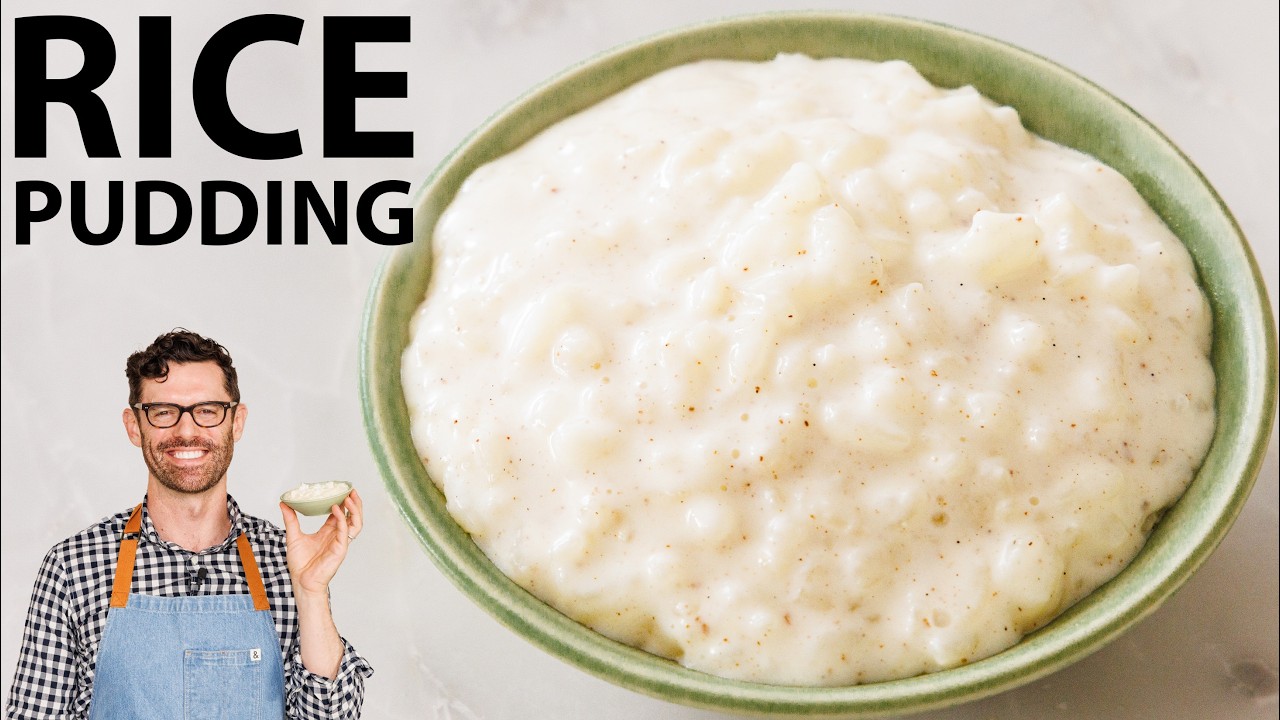
Rice pudding is a timeless comfort dessert that transforms simple ingredients into something magical. Whether you’re craving the nostalgic flavors from childhood or exploring classic desserts for the first time, learning how to make rice pudding opens the door to endless creamy, sweet possibilities. This humble dish appears in cultures worldwide, from Indian kheer to Spanish arroz con leche, proving that great desserts don’t require complicated techniques or exotic ingredients.
In this comprehensive guide, you’ll discover everything you need to know about making rice pudding at home. We’ll walk through the essential ingredients, cooking methods, flavor variations, and troubleshooting tips that guarantee success every time. By the end, you’ll have the confidence to create restaurant-quality rice pudding in your own kitchen.
Essential Ingredients for Perfect Rice Pudding
Choosing the Right Rice
The foundation of excellent rice pudding starts with selecting the proper rice variety. Short-grain white rice works best because it releases more starch during cooking, creating that signature creamy texture. Arborio rice, typically used for risotto, is an excellent choice for rice pudding. Medium-grain rice also works well, while long-grain varieties like basmami produce a less creamy result.
For a quicker option, you can use leftover cooked rice, though the texture will differ slightly from pudding made with raw rice. If using pre-cooked rice, you’ll need about three cups of cooked rice to replace one cup of uncooked rice in most recipes.
Dairy Components
Whole milk creates the creamiest rice pudding, but you can adjust based on preferences. Many recipes combine milk with heavy cream for extra richness, using a ratio of three parts milk to one part cream. For lighter versions, use two percent milk, though the pudding will be less indulgent.
For dairy-free rice pudding, coconut milk provides excellent creaminess and adds a subtle tropical flavor. Almond milk and oat milk also work, but choose full-fat versions for better texture. You may need to add cornstarch to achieve the proper consistency with plant-based milks.
Sweeteners and Flavorings
Granulated white sugar is the standard sweetener, but brown sugar adds caramel notes that complement the rice beautifully. Honey, maple syrup, or condensed milk offer alternative sweetening methods, each bringing unique flavor profiles.
Vanilla extract is nearly universal in rice pudding recipes, enhancing the overall taste without overwhelming other flavors. Cinnamon, either ground or as a stick simmered with the pudding, adds warmth and complexity. Other popular additions include nutmeg, cardamom, orange zest, or almond extract.
Step-by-Step Instructions: Classic Stovetop Rice Pudding
Basic Recipe
- 1 cup short-grain white rice
- 4 cups whole milk
- 1/2 cup heavy cream
- 1/2 cup granulated sugar
- 1/4 teaspoon salt
- 2 teaspoons vanilla extract
- 1/2 teaspoon ground cinnamon
- Optional: 1/2 cup raisins
Cooking Process
Start by rinsing the rice under cold water until the water runs clear. This removes excess surface starch that could make your pudding gummy rather than creamy. In a large, heavy-bottomed saucepan, combine the rinsed rice, milk, cream, sugar, and salt.
Place the pan over medium heat and bring the mixture to a gentle simmer, stirring frequently to prevent the rice from sticking to the bottom. Once simmering, reduce the heat to low and continue cooking, stirring every few minutes. The rice will gradually absorb the liquid and release its starch, creating a creamy consistency.
This process typically takes 35 to 45 minutes. You’ll know the pudding is nearly ready when the rice grains are tender and the mixture has thickened considerably. The pudding should coat the back of a spoon and fall in ribbons rather than dripping quickly. Remember that rice pudding continues to thicken as it cools, so remove it from heat when it’s slightly looser than your desired final consistency.
Stir in the vanilla extract and any additional flavorings during the last few minutes of cooking. If using raisins or other dried fruit, add them about ten minutes before finishing to allow them to plump up in the warm liquid.
Alternative Cooking Methods
Oven-Baked Rice Pudding
Baked rice pudding develops a distinctive texture with a slightly firmer consistency and often features a delicate skin on top that many people love. Preheat your oven to 325°F (165°C). Combine rice, milk, sugar, and flavorings in a buttered baking dish. Bake uncovered for approximately two hours, stirring every 30 minutes to ensure even cooking and prevent skin formation if you prefer pudding without it.
The low, slow heat of oven baking creates an exceptionally creamy result with deeper, more concentrated flavors. This hands-off method requires less active attention than stovetop cooking, making it ideal when you’re preparing other dishes simultaneously.
Slow Cooker Rice Pudding
For ultimate convenience, the slow cooker method lets you set it and forget it. Combine all ingredients except vanilla in your slow cooker, stir well, and cook on low for three to four hours or high for 90 minutes to two hours. Stir occasionally if possible, though it’s not essential. Add vanilla during the last 15 minutes. This method produces wonderfully consistent results with minimal effort.
Instant Pot Rice Pudding
Pressure cooking dramatically reduces the time needed to make rice pudding. Combine rice, milk, sugar, and spices in the Instant Pot. Cook on high pressure for 12 minutes, then allow natural pressure release for ten minutes before quick releasing any remaining pressure. Stir in cream and vanilla after cooking. The rice pudding will thicken as it cools. This method is perfect for last-minute dessert cravings.
Creative Flavor Variations
International Inspirations
Indian Kheer: Replace some milk with condensed milk, add cardamom pods during cooking, and garnish with slivered almonds, pistachios, and rose water.
Mexican Arroz con Leche: Use cinnamon sticks during cooking, add a touch of lime zest, and top with ground cinnamon and fresh berries.
Scandinavian Risgrynsgröt: Serve with a dollop of cherry or raspberry sauce and a pat of butter for traditional Swedish rice porridge.
Modern Twists
Chocolate lovers can stir cocoa powder and chocolate chips into the warm pudding for a decadent treat. Fruit enthusiasts might fold in fresh berries, diced mango, or caramelized apples. For fall flavors, add pumpkin puree and pumpkin pie spice. Coffee rice pudding, made by replacing some milk with strong brewed coffee, offers a sophisticated variation.
Coconut rice pudding uses coconut milk and is topped with toasted coconut flakes and tropical fruit. Matcha rice pudding incorporates green tea powder for an elegant, slightly bitter contrast to the sweetness.
Expert Tips for Perfect Rice Pudding
Achieving Ideal Consistency
The key to creamy rice pudding is patience and proper stirring. Frequent stirring prevents scorching and encourages even starch release. If your pudding seems too thick, thin it with additional milk or cream, adding a tablespoon at a time until you reach the desired consistency. Conversely, if it’s too thin, continue cooking a bit longer or stir in a slurry of cornstarch and milk.
Preventing Common Problems
Scorching: Always use heavy-bottomed pans and maintain low to medium-low heat. Never walk away from stovetop rice pudding for extended periods.
Skin formation: If you dislike the skin that forms on top as pudding cools, press plastic wrap directly onto the surface. Alternatively, many people consider this skin a delicacy worth preserving.
Grainy texture: This usually results from cooking at too high a temperature. Gentle heat allows the rice to release starch gradually, creating creaminess rather than mushiness with distinct, hard grains.
Storage and Reheating
Refrigerate rice pudding in an airtight container for up to five days. The pudding will thicken considerably when cold, which many people prefer. To reheat, add a splash of milk and warm gently on the stovetop or in the microwave, stirring frequently. Rice pudding can be enjoyed cold, at room temperature, or warm, depending on personal preference.
Serving Suggestions and Toppings
Rice pudding is incredibly versatile when it comes to serving. Present it in individual dessert cups or ramekins for elegant dinner parties, or serve family-style in a large bowl for casual gatherings. Temperature preference varies by culture and personal taste—some prefer it steaming hot, others chilled from the refrigerator, and many enjoy it at room temperature.
Elevate your rice pudding with thoughtful toppings. Classic choices include a dusting of cinnamon or nutmeg, a drizzle of honey or maple syrup, or a handful of raisins or dried cranberries. Fresh fruit like sliced strawberries, blueberries, or caramelized bananas adds color and freshness. For textural contrast, sprinkle toasted nuts such as almonds, pecans, or pistachios on top.
Caramel sauce, chocolate shavings, or fruit compotes transform simple rice pudding into an impressive dessert. A dollop of whipped cream or a scoop of vanilla ice cream creates an indulgent treat. For breakfast service, top with granola, fresh berries, and a swirl of Greek yogurt.
Nutritional Considerations and Modifications
Rice pudding can be adapted to suit various dietary needs. For reduced sugar versions, cut the sugar in half and rely on vanilla and cinnamon for flavor, or use natural sweeteners like mashed banana or dates. Low-fat versions work reasonably well with skim milk, though the texture won’t be as rich.
Vegan rice pudding using plant-based milks and cream is entirely possible. Coconut milk creates the most authentic creamy texture, while almond and oat milk work well when combined with coconut cream. Use maple syrup or agave nectar instead of honey for fully vegan versions.
For gluten-free diets, rice pudding is naturally suitable, though always verify that any added ingredients or toppings are certified gluten-free if you have celiac disease. Adding protein powder or using protein-enriched milk can increase the nutritional value for those seeking higher protein desserts.
Conclusion
Learning how to make rice pudding is about more than following a recipe—it’s about understanding how simple ingredients transform through gentle heat and patience into something extraordinary. Whether you prefer the traditional stovetop method, the convenience of a slow cooker, or the speed of an Instant Pot, the fundamental principles remain the same: quality ingredients, gentle cooking, and enough time for the rice to release its starches and create that signature creaminess.
The beauty of rice pudding lies in its adaptability. Start with the basic recipe provided here, then experiment with flavors and techniques that appeal to your taste. Each batch teaches you something new about texture, timing, and flavor balance. Before long, you’ll be creating rice pudding variations that become family favorites and personal signatures.
Now that you’re equipped with comprehensive knowledge about making rice pudding, it’s time to head to the kitchen and start cooking. Your first creamy, comforting bowl of homemade rice pudding awaits.
Frequently Asked Questions
Can I use brown rice instead of white rice for rice pudding?
Yes, you can use brown rice, but expect significant differences in cooking time and texture. Brown rice takes much longer to become tender—typically 60 to 90 minutes instead of 35 to 45 minutes. The result will have a nuttier flavor and chewier texture. Brown rice doesn’t release starch as readily as white rice, so your pudding may be less creamy. Consider using short-grain brown rice and adding a tablespoon of cornstarch to achieve better creaminess.
Why is my rice pudding watery and not thickening properly?
Several factors can cause thin rice pudding. You may not have cooked it long enough, as the rice needs time to release sufficient starch. Using long-grain rice instead of short or medium-grain varieties results in less creaminess. Cooking at too high a temperature can prevent proper starch release. Remember that rice pudding thickens substantially as it cools, so it should look slightly loose when you remove it from heat. If your cooled pudding is still too thin, return it to the stove and cook longer, or stir in a cornstarch slurry.
Can rice pudding be frozen for later use?
Rice pudding can be frozen, though the texture may change slightly upon thawing. The pudding might separate or become slightly grainy due to ice crystal formation. To freeze, portion into airtight containers leaving some headspace for expansion, and freeze for up to three months. Thaw overnight in the refrigerator, then stir vigorously while reheating with a splash of milk to restore creaminess. For best results, freeze pudding before adding delicate toppings or mix-ins.
How do I prevent rice pudding from sticking to the bottom of the pan?
Prevention starts with using a heavy-bottomed pan that distributes heat evenly. Keep the temperature at medium-low rather than high—rice pudding should simmer gently, never boil vigorously. Stir frequently, especially during the first 15 minutes and the final stages of cooking. If you notice sticking beginning, immediately reduce the heat and stir more frequently. A heat diffuser placed under the pan can help maintain even, gentle heat.
What’s the difference between rice pudding and rice custard?
Rice pudding is made by cooking rice in sweetened milk until creamy, relying on the starch from the rice for thickening. Rice custard incorporates eggs into the mixture, creating a richer, more set texture similar to traditional custard. Rice custard is often baked and has a firmer consistency that can be sliced when cold. Both are delicious, but rice pudding is simpler to make and has a looser, more spoonable consistency that many people prefer for comfort food.
